Automatic dog feeders are a game-changer for busy pet parents. These smart devices provide scheduled feeding, portion control, and even remote feeding via mobile apps. But to keep your dog healthy and your feeder functioning properly, regular cleaning is essential.
In this guide, we’ll walk you through how to clean an automatic dog feeder effectively, answer common questions, and share some maintenance tips to extend the life of your device. Whether you already own one or you’re still reading a buying guide for automatic dog feeders, this information will help you maintain your investment and keep your pet safe.
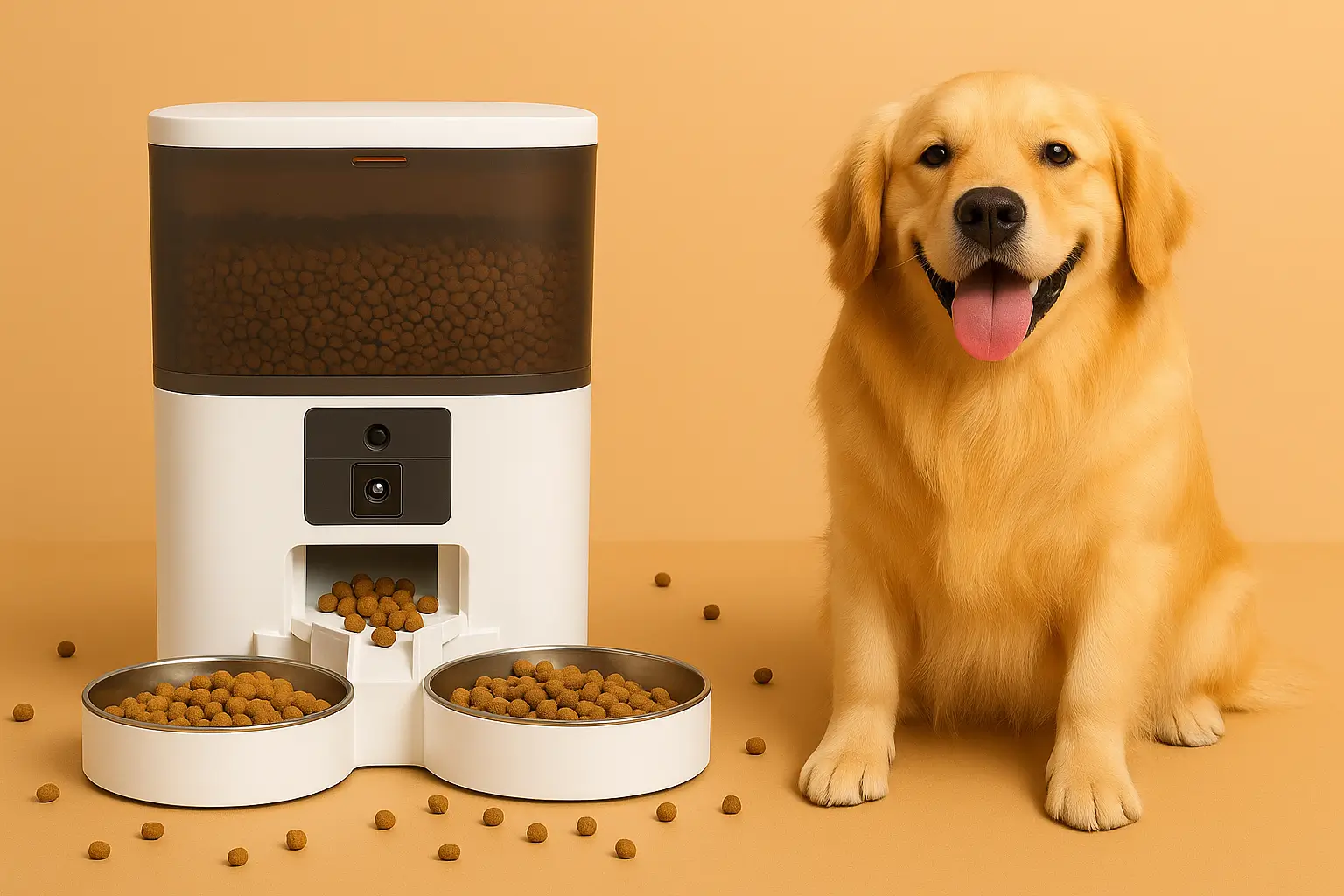
Why Cleaning Your Automatic Dog Feeder Matters
Even the most high-tech automatic dog feeder can harbor bacteria and mold if not cleaned regularly. Leftover food residues, moisture, and saliva create the perfect environment for microbial growth. This not only affects the taste and freshness of the food but also puts your dog’s health at risk.
Proper cleaning ensures:
- Fresh and safe meals
- Smooth operation of feeder components
- Prevention of clogs and food jams
- Longer lifespan of the feeder
How Often Should You Clean an Automatic Dog Feeder?
Ideally, you should clean your automatic dog feeder at least once a week. However, if you feed your dog wet food or live in a humid environment, you may need to clean it more often—every 2 to 3 days.
Tools and Supplies You’ll Need
Before you begin, gather these basic cleaning supplies:
- Mild dish soap (unscented and pet-safe)
- Soft sponge or microfiber cloth
- Soft-bristled brush or toothbrush
- Warm water
- Paper towels or clean drying cloth
- Cotton swabs (for hard-to-reach areas)
Step-by-Step: How to Clean an Automatic Dog Feeder
Step 1: Unplug and Disassemble
Before cleaning, unplug the feeder or remove its batteries to avoid damaging electronic parts. Carefully disassemble all removable parts, such as:
- Food tray
- Food storage container
- Lids
- Bowls
Refer to the manufacturer’s manual to avoid breaking clips or seals.
Step 2: Wash Removable Parts
Wash all food-contact components using warm, soapy water. Use a sponge for larger parts and a toothbrush for smaller crevices. Rinse thoroughly to ensure no soap residue remains.
Pro tip: Some feeders have dishwasher-safe parts. Always check the label or manual before putting them in the dishwasher.
Step 3: Clean the Interior
Use a slightly damp cloth to wipe down the interior surfaces of the feeder. Avoid soaking any area that houses electronic circuits.
For tight spots, cotton swabs or a soft brush can help clean without damaging the device.
Step 4: Dry Completely
Make sure all parts are completely dry before reassembly. Moisture can lead to mold or short circuits.
Step 5: Reassemble and Test
Once dry, reassemble the feeder and perform a test run to ensure everything is working correctly.
Pro Maintenance Tips
Avoid using harsh chemicals: Bleach, alcohol, or strong detergents can be toxic to pets and damage plastics.
Store in a dry place: Keeping the feeder in a moisture-free envi
Inspect for damage regularly: Check for cracks, worn-out seals, or signs of pests.
Use quality dog food: Greasy or overly moist kibbles leave more residue and attract bugs faster.
FAQs About Cleaning Automatic Dog Feeders
1. Can I use vinegar to clean my automatic dog feeder?
Yes, a diluted vinegar solution (1 part vinegar to 2 parts water) is safe for most plastic parts and helps eliminate odors. Avoid using it on electronic components.
2. Is it safe to clean the feeder in the dishwasher?
Some brands design removable parts to be dishwasher-safe. Always read the product manual to avoid warping or damaging plastic components.
3. What if my dog’s feeder has a camera or voice recorder?
Never immerse electronic components in water. Use a lightly dampened cloth to wipe the exterior and clean lenses with a microfiber cloth.
4. Can leftover kibble cause mold?
Yes. Kibble, especially in humid climates, can attract moisture and grow mold. Always remove old food before refilling and clean the bin regularly.
5. How do I prevent ants or bugs in the feeder?
Keep the feeder clean and dry. Use an ant-proof tray or place the feeder on a surface treated with pet-safe bug deterrents.
Conclusion
Learning how to clean an automatic dog feeder is just as important as choosing the right one. A well-maintained feeder keeps your dog safe, ensures fresh meals, and saves you from costly replacements.
Make cleaning a weekly habit and follow the manufacturer’s instructions to keep everything running smoothly. Your dog will thank you for it—with a happy tail wag every time it hears the feeder whirr to life.