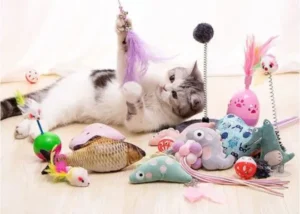
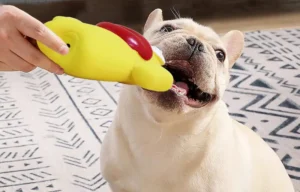
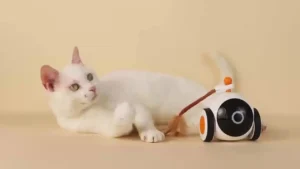
When it comes to dog toys, the choices on the market are practically endless. From chewable bones to squeaky plush animals—and even the “best interactive toys for mental stimulation in dogs” we mentioned in a previous article—it can be hard to know which toys are truly right for your furry friend. One toy that has recently been getting a lot of attention is the giggle ball. But are giggle balls really good for dogs? Let’s take a closer look at their benefits, potential drawbacks, safety considerations, and whether they’re a hit or miss for different pups.
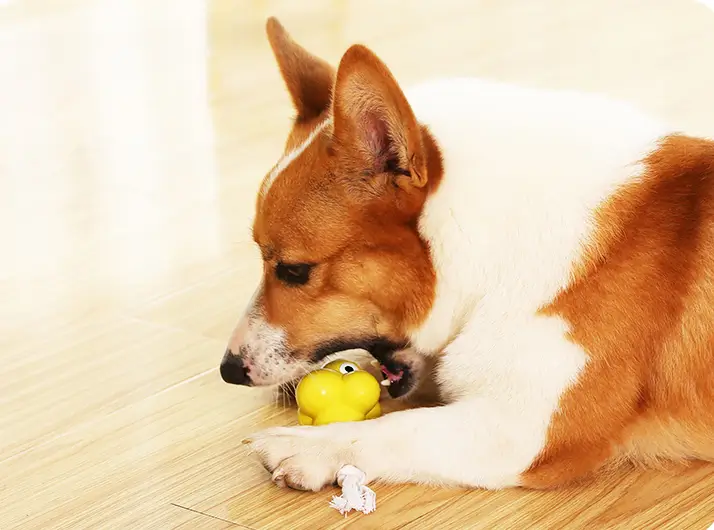
What Is a Giggle Ball?
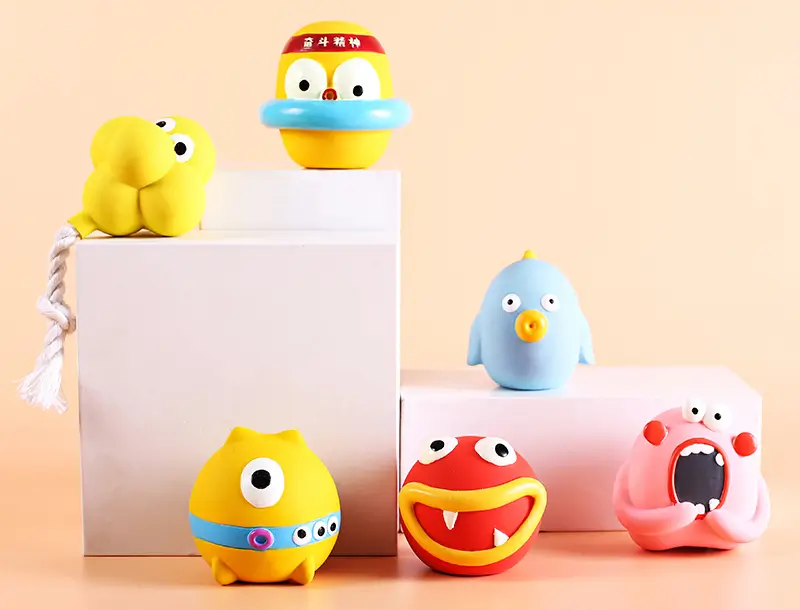
A giggle ball is a type of interactive dog toy that makes funny giggling or chuckling noises when it rolls or is shaken. These sounds are created without batteries — instead, the ball uses internal tubes or mechanisms that respond to motion. This makes the toy appealing for both pets and owners who prefer noise-free maintenance.
Giggle balls come in various sizes, colors, and materials, and are designed to provide mental stimulation and physical exercise for dogs of all breeds and ages.
Benefits of Giggle Balls for Dogs
1. Mental Stimulation
Dogs are naturally curious and intelligent animals. The unpredictable sound of a giggle ball can captivate their attention, keeping them mentally engaged for longer periods. This is especially beneficial for dogs that tend to get bored easily or exhibit destructive behavior when under-stimulated.
2. Physical Exercise
Rolling, chasing, and pouncing on a giggle ball encourages dogs to stay active. This type of interactive play helps burn off energy, which is crucial for high-energy breeds like Border Collies, Huskies, and Labradors.
3. No Batteries Required
Unlike electronic toys, giggle balls operate without batteries. This not only makes them more environmentally friendly but also safer, as there’s no risk of battery leakage or ingestion.
4. Durability
Many giggle balls are made from non-toxic, chew-resistant materials, making them ideal for rough players. However, supervision is still recommended, especially for aggressive chewers.
Potential Drawbacks
While giggle balls are generally considered safe and beneficial, they’re not perfect for every dog.
1. Noise Sensitivity
Some dogs may be startled or frightened by the giggle sound, especially if they are naturally anxious or noise-sensitive. It’s a good idea to introduce the toy gradually to gauge your pet’s reaction.
2. Size Concerns
If the giggle ball is too small for your dog, it may pose a choking hazard. Conversely, if it’s too large, smaller dogs may struggle to interact with it effectively. Always choose a size appropriate for your dog’s breed and jaw strength.
3. Supervision Needed
Like with all dog toys, supervision is key. While giggle balls are durable, they are not indestructible. Inspect the toy regularly for wear and tear to prevent potential ingestion of small parts.
Which Dogs Are Best Suited For a Giggle Ball?
- Energetic dogs who enjoy chasing, pouncing, and interactive play.
- Dogs left alone during the day who need independent entertainment.
- Puppies who are learning to play and explore new sounds.
- Senior dogs who may not run as much but enjoy mental stimulation.
However, they may not be suitable for extremely aggressive chewers or dogs with severe noise sensitivity.
How to Introduce a Giggle Ball to Your Dog
Start Slow – Let your dog sniff the toy before it starts making noise.
Encourage Interaction – Roll it gently across the floor to trigger the giggle sound.
Use Treats – Pair it with positive reinforcement like treats or praise.
Observe Behavior – If your dog appears scared, remove the toy and reintroduce it later in a more controlled manner.
Frequently Asked Questions (FAQ)
Q1: Are giggle balls safe for all dog breeds?
Most giggle balls are safe for a wide range of breeds, but always choose a size that matches your dog’s build. Supervise your dog, especially during the first few uses.
Q2: Can giggle balls be used outdoors?
Yes, many giggle balls are made from weather-resistant materials and can be used both indoors and outdoors. Just make sure the surface is clean and safe for play.
Q3: What if my dog is scared of the giggle sound?
Some dogs may need time to adjust. Start with short play sessions and positive reinforcement. If fear persists, consider switching to quieter dog toys.
Q4: How do I clean a giggle ball?
Most giggle balls can be wiped down with a damp cloth. Avoid submerging them in water unless the manufacturer states the toy is waterproof.
Q5: Are giggle balls suitable for puppies?
Yes, giggle balls can be great for puppies, as long as they are made from soft, puppy-safe materials and sized appropriately.
Final Verdict: Are Giggle Balls Good for Dogs?
Yes — for many dogs, giggle balls can be an excellent addition to their toy collection. They provide entertainment, exercise, and mental stimulation without the need for batteries or constant human interaction. However, like all dog toys, it’s important to choose the right size, monitor your dog’s behavior, and ensure the toy remains in good condition.
If your dog enjoys toys that move and make noise, a giggle ball might just become their new favorite. For pet parents, it’s a simple way to keep your pup happy, healthy, and mentally engaged.