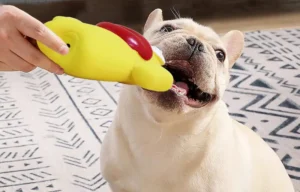
For dog owners, chew toys are no strangers, but do you really understand the benefits of chew toys for dogs? First of all, chew toys are essential to the physical and mental health of dogs. Not only can they help dogs pass the time, but they can also promote dental health, relieve anxiety, and even improve behavioral problems. Below, we will explore the benefits of chew toys in detail and teach you how to choose the right toys for your dog.
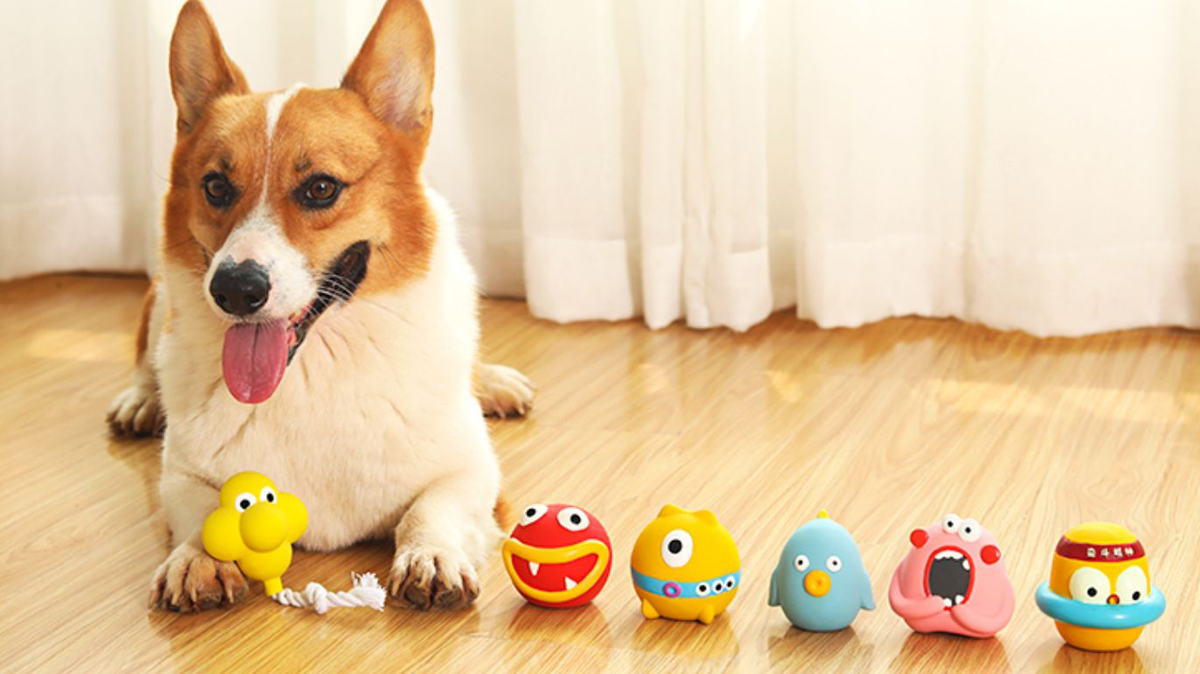
一. Five benefits of chew toys for dogs
1. Promote oral health and reduce dental calculus
Dogs’ oral health is often neglected, but long-term failure to clean teeth may lead to dental calculus, gingivitis, and even tooth loss. Chew toys (especially those made of rubber or nylon) can help clean teeth through friction and reduce plaque accumulation. Some specially designed chew toys can also be used with pet toothpaste to further improve the cleaning effect.
2. Relieve anxiety and stress
Dogs will release stress by chewing when they are bored, lonely, or anxious (such as when the owner is out or in thunderstorms). Providing appropriate chew toys can prevent them from destroying furniture, shoes, or even self-harming behaviors (such as excessive licking of paws). For dogs with severe separation anxiety, chew-resistant toys with snack fillings can effectively divert their attention.
3. Satisfy nature and prevent bad behavior
Chew is an instinctive behavior of dogs. Puppies will relieve gum discomfort by chewing during the teething period, and adult dogs will exercise their jaw muscles by chewing. If there is a lack of suitable chew toys, they may turn to destructive behavior, such as chewing sofas, wires, etc. Providing enough chew toys can help them release energy in the right way.
4. Exercise the brain and prevent boredom
Smart chew toys (such as leaking food balls and maze toys) can not only meet the chewing needs, but also make dogs think about how to get food. This kind of “intelligence chewing” can prevent problems such as barking and overexcitement caused by boredom, and is especially suitable for high-IQ dog breeds (such as Border Collies and Poodles).
5. Help puppies through the teething period
Puppies aged 3-6 months are in the teething stage and their gums itch unbearably. Soft or frozen chew toys (such as iced carrots or special puppy chew sticks) can relieve discomfort and prevent them from biting furniture or the owner’s hands.
二. How to choose the right chewing toy?
Not all chew toys are suitable for dogs. The wrong choice may cause choking, intestinal blockage or tooth damage. The following are key factors when choosing:
1. Choose according to the dog’s body size and bite force
Small dogs (such as Chihuahuas and Poodles): Suitable for soft rubber, latex or flannel toys, avoid too hard materials.
Medium dogs (such as Corgis and Shiba Inus): Choose medium-hard rubber or nylon toys.
Large dogs/strong biting dogs (such as German Shepherds and Rottweilers): Choose super-bite-resistant materials to avoid being quickly bitten and swallowed.
2. Safe and non-toxic materials
Preferred: natural rubber, food-grade silicone, TPR (thermoplastic rubber).
Avoid: cheap plastic toys containing PVC and phthalates, which may release harmful substances.
3. Suitable for the dog’s chewing habits
Dogs who like to bite: choose braided rope toys or detachable toys.
Dogs who like to lick: choose toys that can be filled with snacks.
Dogs who like to dig: choose chew toys with multi-layer designs to increase fun.
4. Regular inspection and replacement
Even the most chew-resistant toys will wear out after long-term use. If you find cracks or chips in a toy, replace it immediately to prevent your dog from accidentally ingesting it.