As pet owners, we all want the best for our furry companions. From nutritious food to regular vet checkups, their health is our top priority. But one crucial factor that often goes overlooked is water. Hydration is key to your pet’s well-being—and not just any water, but clean, filtered water. That’s where pet water fountains come in.
Filtered pet water fountains are more than just a fancy accessory. They provide your pets with constant access to fresh, clean water—helping to prevent disease, encourage hydration, and support long-term health. In this article, we’ll explore the benefits of filtered water for pets and why switching to a pet water fountain is a smart choice for any dog or cat owner.
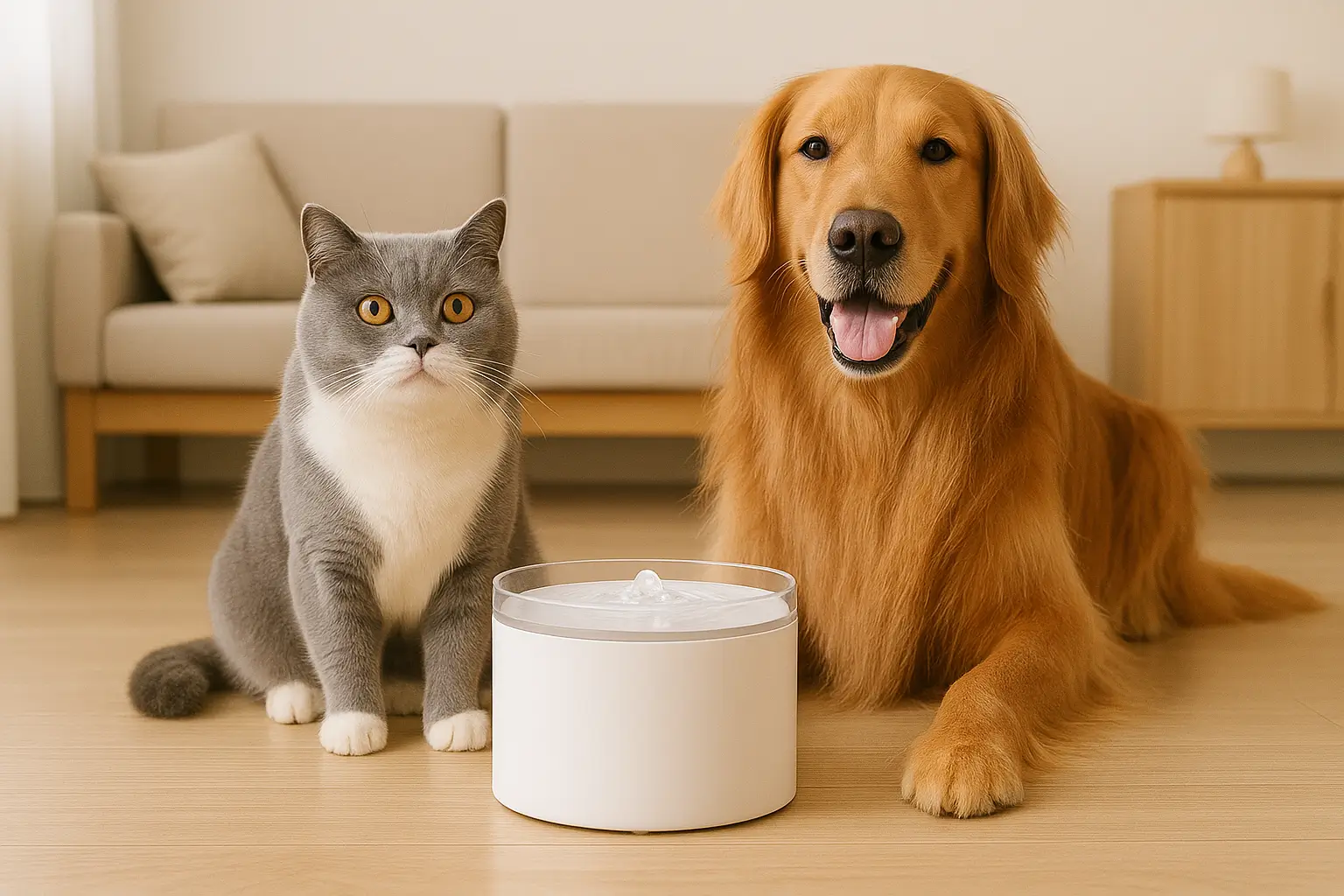
Why Filtered Water Matters for Pets
Water quality has a direct impact on a pet’s health. Tap water often contains impurities like chlorine, heavy metals, or bacteria that can affect your pet over time—especially if they have sensitive stomachs or compromised immune systems.
Here’s why filtered water is essential:
1. Removes Harmful Contaminants
Filtered water eliminates many of the chemicals and toxins that are found in untreated tap water. This includes chlorine, lead, mercury, and other heavy metals that could accumulate in your pet’s body and potentially cause health issues.
2. Improves Taste and Smell
Pets can be picky drinkers. The metallic or chemical smell in tap water may deter them from drinking enough. Filtered water tastes better and smells fresher, encouraging your pets to drink more—especially important for cats who are prone to urinary tract infections.
3. Supports Kidney and Urinary Health
Many pets, especially older cats and dogs, are prone to kidney disease or urinary tract issues. Clean, fresh water helps flush out toxins, reduces the risk of crystals forming in the urine, and keeps organs functioning properly.
4. Prevents Algae and Bacterial Buildup
Unlike traditional water bowls that can become slimy with bacterial buildup, pet water fountains keep water circulating, reducing the risk of mold, slime, or algae forming. Most fountains also include a multi-layer filter that traps hair, dirt, and food particles.
How Pet Water Fountains Encourage Better Hydration
One of the top benefits of pet water fountains is that they promote increased water intake. Flowing water naturally attracts pets, mimicking streams and rivers in the wild. The gentle sound of running water stimulates curiosity, making it more likely that your pet will return to drink multiple times throughout the day.
Key hydration benefits include:
- Improved digestion
- Healthier coat and skin
- Boosted energy levels
- Regulated body temperature
For pet parents with busy lifestyles, an automatic water fountain also ensures your pet always has access to fresh water—even when you’re not home.
Choosing the Right Pet Water Fountain
When selecting a pet water fountain, consider the following features:
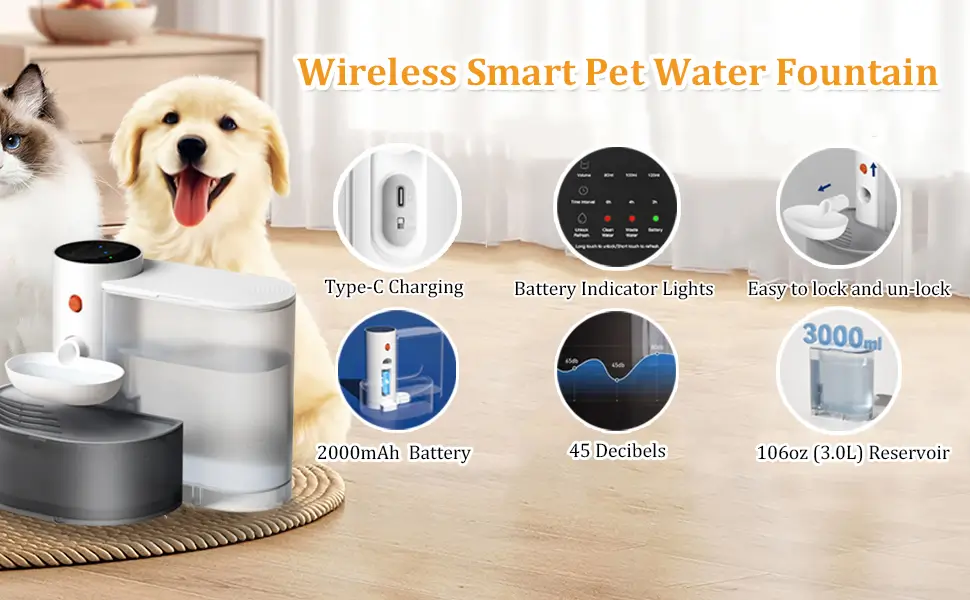
- Filtration system: Look for multi-stage filters that include activated carbon and foam or sponge pre-filters.
- Material: Stainless steel and ceramic are hygienic and easy to clean. BPA-free plastic is a lightweight option.
- Capacity: Choose a size appropriate for your pet(s). Larger breeds and multi-pet households will need higher capacity.
- Noise level: Opt for a quiet motor if your pet is noise-sensitive.
- Ease of cleaning: Choose a model with dishwasher-safe parts or simple disassembly.
Frequently Asked Questions (FAQ)
Q1: How often should I change the filter in a pet water fountain?
It depends on the brand, but most manufacturers recommend changing the filter every 2–4 weeks. If you notice debris or smell in the water, replace it sooner.
Q2: Are pet water fountains safe for all pets?
Yes, most are safe for cats, dogs, and even small animals like rabbits or ferrets. Make sure the materials are non-toxic and the flow isn’t too strong for small pets.
Q3: Can I use tap water in a pet water fountain?
Yes, but filtered tap water or distilled water is better. The internal filter will help clean tap water, but starting with higher-quality water will extend the life of the filter.
Q4: Do cats and dogs really drink more from fountains?
Absolutely. Studies and pet owners alike report that pets are naturally drawn to running water and drink more from fountains compared to still bowls.
Q5: How do I clean a pet water fountain?
Disassemble it and wash all parts with warm, soapy water at least once a week. Check the pump regularly for hair and debris. Use a small brush to scrub tight areas.
Conclusion
Switching to a pet water fountain with a built-in filter is one of the simplest yet most effective upgrades you can make for your pet’s health. It ensures cleaner, better-tasting water, encourages hydration, and helps reduce long-term health risks. Whether you have a finicky cat or an energetic dog, investing in a filtered pet water fountain is a smart, pet-loving decision.
Your pet deserves clean water—every day.