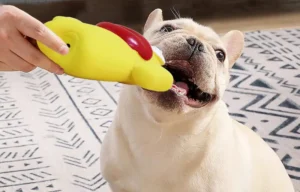
In the hustle and bustle of city life, amidst our busy routines, dogs remain our most loyal companions, offering endless warmth and comfort. A smart pet feeder acts like a thoughtful little assistant, bringing convenience and peace of mind to our shared lives with our furry friends. Today, let’s dive into the world of automatic pet feeders, explore how they work, their ideal use cases, and learn how to operate them effectively.
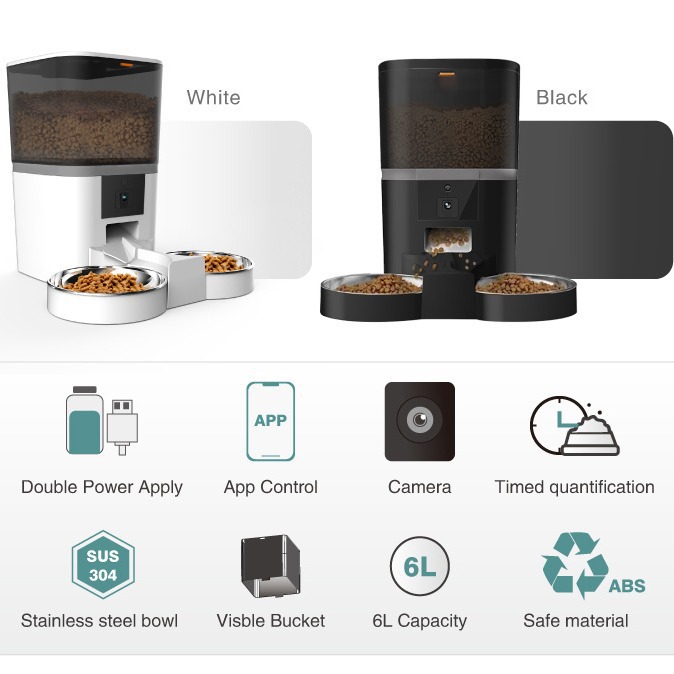
How a Smart Pet Feeder Works
A smart pet food dispenser is mainly composed of a food storage container, feeding control mechanism, power system, microprocessor control unit, power supply, and communication modules. The microprocessor is the heart of the device—it functions as the “brain” of the feeder, receiving commands sent by users through a mobile app-controlled system to manage feeding times and portions. The power system, typically driven by a DC motor or stepper motor, powers the feeding mechanism to dispense food precisely from the container. Communication modules such as WiFi or Bluetooth allow the feeder to connect wirelessly to your smartphone, enabling remote pet feeding anytime and anywhere.
Ideal Use Scenarios for Smart Pet Feeders
Automatic dog feeders are suitable for various everyday scenarios. For busy professionals, these devices can feed dogs automatically at pre-set times and portions when you’re unable to return home, ensuring your pet never goes hungry. When traveling or on business trips, a WiFi-connected pet feeder becomes an essential helper, allowing you to manage your dog’s meals from afar. In multi-pet households, programmable smart feeders can assign unique feeding schedules for each dog, preventing food competition and maintaining balanced diets.
Basic Operation Tips for Smart Pet Feeders
Before using your automatic dog food dispenser, it’s important to understand its features. While different brands and models may vary, most feeders support timed feeding, portion control, and remote access. Refer to the user manual or contact the manufacturer to get familiar with your feeder’s specific functions.
Set Up a Feeding Schedule
Creating a feeding schedule is one of the core functionalities of any smart dog feeder. Using the mobile app, you can schedule meals by the day or week. Advanced models offer multiple feeding plans tailored to different life stages and dietary needs. For instance, puppies often require frequent, smaller meals, while adult dogs may benefit from fewer, more substantial meals.
Set the Feeding Portions
Proper portion control is vital to your dog’s health. Enter your preferred amount per meal in the app to help maintain a healthy weight. Factors like age, breed, weight, and activity level affect the ideal portion size. Consult the feeding guide on your dog food packaging and adjust as needed. Keep an eye on your dog’s appetite—if meals are consistently left unfinished or your pet always seems hungry, it’s time to fine-tune the quantity.
Adjust and Modify Feeding Plans
As your dog’s needs change, your feeding plan should too. Whether adjusting for a new routine, a vet-recommended diet, or a temporary schedule change, most smart feeders allow for easy plan updates right from your phone. This makes flexible dog feeding simple and responsive to real-life situations.