Laser toys have become increasingly popular in the world of cat entertainment. Sleek, interactive, and often fully automatic, these devices offer mental and physical stimulation for indoor cats—especially those left alone for long hours. However, as the trend grows, so does the concern: Are automatic laser toys truly safe for cats?

In this article, we explore the safety, benefits, and responsible use of **automatic laser toys for cats**, offering insight for pet owners, retailers, and manufacturers in the pet products sector.
What Are Automatic Laser Toys?
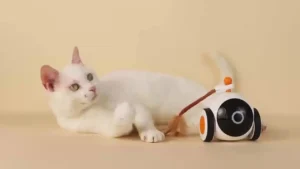
Automatic laser toys are **hands-free devices** that emit a moving laser dot across floors or walls. Designed to simulate the erratic movement of prey, these toys trigger a cat’s hunting instinct and keep them physically active. Most models come with features such as:
- Randomized movement patterns
- Timed sessions and auto shut-off
- Rechargeable batteries or USB power
- Adjustable angles and speed settings
- Motion sensors for cat-triggered activation
These smart features make automatic laser toys particularly attractive for pet parents who want their cats entertained while they’re away.
Are Laser Toys Safe for Cats?
1. Laser Strength Matters
Laser toys made for pets typically use “Class II or Class I lasers”, which are low-powered and considered safe when used as directed. These lasers emit less than 1 milliwatt of power and “do not cause harm”to a cat’s eyes with brief or indirect exposure.
However, “prolonged, direct eye exposure”—as with any light source—can pose risks. That’s why high-quality laser toys are designed to avoid static or pointed beams and instead move randomly or shut off when not in use.
2. Mental and Physical Health Benefits
Used properly, laser toys offer numerous benefits:
Physical exercise: Encourages indoor cats to stay active.
Mental stimulation: Prevents boredom and associated stress.
Weight control: Helps reduce the risk of feline obesity.
These factors contribute to a “healthier lifestyle” for home-alone cats and enhance their overall well-being.
3. Behavioral Considerations
A potential concern with laser play is “frustration”. Because the cat cannot physically “catch” the laser dot, some may feel unsatisfied, especially if the play ends abruptly.
Solution: End sessions by guiding the laser to a “physical toy” or treat to mimic a successful hunt. This helps fulfill the hunting cycle—stalk, chase, capture, and reward.
Best Practices for Using Laser Toys Safely
To ensure safety and maximize benefits, follow these guidelines:
1. Use Pet-Specific Devices
Avoid generic laser pointers or high-powered lasers. Only use toys designed for animal use with appropriate safety ratings.
2. Set Time Limits
Most automatic laser toys include a 10–15 minute timer. This prevents overstimulation or exhaustion and aligns with natural play patterns.
3. Never Shine Lasers Directly in Eyes
Even low-powered beams can be irritating with prolonged exposure. Let the device operate on a surface rather than handheld aiming.
4. Supervise When Possible
Though automatic, occasional supervision allows you to adjust settings and monitor your cat’s reaction.
5. Combine with Other Toys
Laser toys work best as part of a **well-rounded toy rotation**—with wand toys, balls, puzzles, and treat dispensers.