Water is the source of life. For pets at home, a suitable water dispenser can not only ensure that they are always hydrated, but also improve the quality of life of pets to a certain extent. There are many types of pet water dispensers on the market. How to choose a safe and practical one? This article will analyze the classification, purchase points and precautions of pet water dispensers in detail to help you choose a suitable water dispenser for your pet.
Classification of pet drinking fountains
1. Classification by category
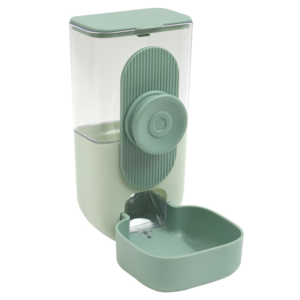
(1) Hanging type
Suitable for pets kept in cages or cages, such as birds, hamsters, etc. Easy to hang and not easy to knock over.
(2) Floor-standing type
Suitable for pets with larger size or wide range of activities, such as dogs, cats, etc. Stable design, not easy to be knocked over by pets.
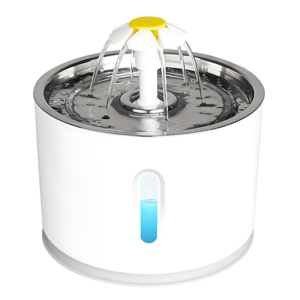
Material classification
(1) Plastic
Lightweight and relatively cheap, but it is important to choose non-toxic food-grade materials. Plastic drinking fountains are also more likely to breed bacteria and need to be cleaned and replaced regularly.
(2) Stainless steel
Strong and durable, easy to clean, and has strong antibacterial properties. However, it is important to choose high-quality stainless steel materials to avoid affecting the health of pets.
(3) Ceramic
It is very easy to clean, not easy to leave dirt or bacteria, has good durability, is not easy to damage, and has a long service life.
How to choose a pet drinking fountain
1. Safety
The first consideration is the safety of the water fountain. Make sure the water fountain is made of non-toxic, durable materials, such as food-grade silicone or stainless steel. Avoid materials that contain harmful chemicals or may release toxic gases.
2. Material and durability
Choose a sturdy and durable material to ensure that the water fountain can withstand the daily use and scratching of pets. At the same time, the material should be easy to clean to prevent bacterial growth.
3. Capacity and size
Choose the appropriate capacity and size according to the size of your pet and the amount of water it drinks. A water fountain that is too small may require frequent refilling, while a water fountain that is too large may cause the water quality to deteriorate.
4. Cleaning and maintenance
Choose a water dispenser that is easy to clean and maintain to ensure that you can easily clean and disinfect it regularly. Some water dispensers are designed with removable parts for easy and thorough cleaning.
5. Leak-proof function
Make sure the water dispenser has good leak-proof performance to prevent water waste and pets from being exposed to too much water.
6. Flow control
For some pets, such as dogs, flow control function may be required to prevent them from drinking too much water at one time and causing discomfort.
7. Pet habits
Consider your pet’s preferences and drinking habits. Some pets may prefer flowing water, while others prefer still water. Choose the type of water fountain that suits your pet.
8. Price and cost-effectiveness
Consider the price and cost-effectiveness of the water fountain. While price is not the only determining factor, make sure the water fountain you buy fits your budget and provides the features and performance you need.
Precautions
1. Keep the water running
Under normal circumstances, the water dispenser should be refilled every 2-3 days. When the water tank is short of water, it should be replenished in time. Dry burning is not only easy to damage the water pump, but also may cause potential danger to pets.
2. Regular cleaning
With the increase of usage time, impurities such as scale are easily left on the inner wall of the water dispenser, which may not only pollute the water source, but also affect the health of pets. Therefore, it is recommended to clean the water dispenser at least once a week, especially in summer, the inside of the body and the filter should be cleaned every 2-3 days to keep the water clean.
3. Replace the filter regularly
Most pet water dispensers use the activated carbon + filter filter mode. Activated carbon only physically adsorbs impurities and has no sterilizing effect, so regular replacement of the filter is very important. The specific replacement cycle can be determined according to the instructions for use of the filter.
4. Pay attention to power safety
If the pet water dispenser needs to be plugged in, then you must pay attention to the safety of the power supply. Make sure the power socket is stable to prevent pets from contacting the power supply or water source to prevent the risk of electric shock or drowning.
5. Observe the drinking situation
The effectiveness of the pet water dispenser ultimately depends on the pet’s drinking situation. If you find that the pet’s water intake has suddenly decreased or is abnormal, you should check whether the water dispenser is faulty or whether there is a problem with the water quality.
Summary
When choosing a drinking fountain, we should pay attention to factors such as material safety, moderate capacity, and easy cleaning, and regularly change the water source, clean and disinfect it to ensure the safety of the pet’s drinking water. It is the responsibility of every pet owner to allow pets to enjoy fresh and hygienic water at any time. I hope this article can provide you with some useful references when purchasing a pet drinking fountain!